

The roof requirements for homeowners insurance in Florida limit when an insurer can refuse to issue or renew coverage based solely on roof age. For roofs 15 years or older, an inspection showing at least five years of useful life remaining provides important protection.
At Elo Roofing, we’ve seen how insurers evaluate homes across Florida. When homeowners come to us with insurance questions, we look beyond the installation date to assess the roof’s condition. This guide breaks down everything you need to know about homeowners insurance and roofing in Florida.
Florida Roof Age & Material Requirements by Insurer
If your roof is under 15 years old, an insurer can’t refuse to issue or renew coverage solely because of its age. Once it reaches 15 years, you can have it inspected. If the inspection finds at least five years of useful life left, age alone can’t be the reason you’re denied coverage.
Asphalt Shingle Roofs
Asphalt shingles face closer age scrutiny because they generally don’t last as long as metal or tile in Florida’s sun, heat, and wind. Inspectors look beyond age, assessing visible wear and tear or signs of leaking.
Metal and Tile Roofs
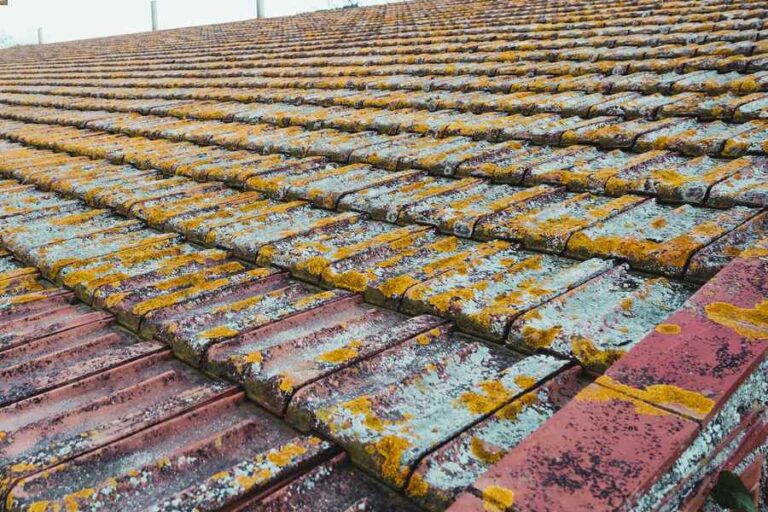
Metal roofing and tile last longer than asphalt, but they still need to be in good shape. An inspector may spot damaged or corroded metal panels, cracked tiles, or signs that water is getting where it shouldn’t.
You may hear the phrase “wind mitigation.” That’s a different inspection with a different job, so don’t lump it in with the 4-point inspection we’ll cover next.
What Is a 4-Point Inspection and What Inspectors Check on Your Roof
4-point inspections focus on four major systems insurers care about: the roof, electrical, plumbing, and HVAC.
- Roof Age and Material: What kind of roof you have and when it was installed.
- Remaining Useful Life: How much longer the roof is reasonably expected to perform based on its condition.
- Visible Problems: Damage, deterioration, leaks, or other concerns that could affect the roof.
- Needed Work: Whether the inspector identifies repairs or replacement that should be addressed.
Your insurer uses their findings as part of its underwriting decision, which is why seemingly small roof problems can become important if they’re included in the report.
What Causes a Roof to Fail a 4-Point Inspection
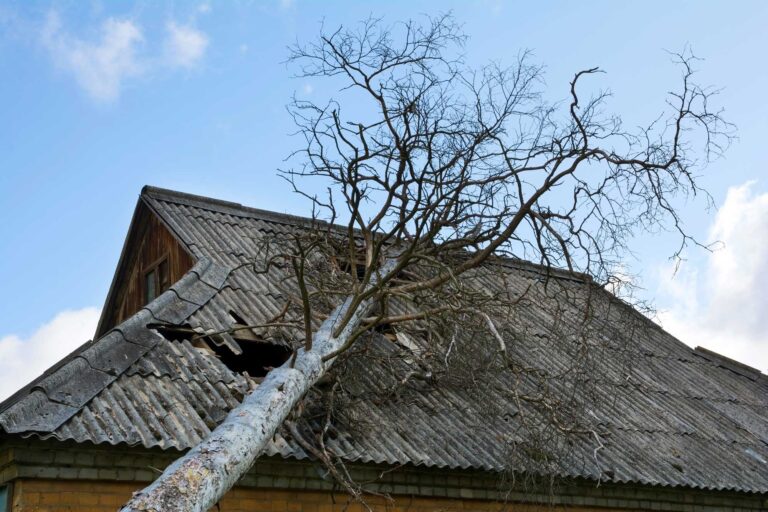
A roof doesn’t have to be falling apart to raise concerns on a 4-point report. An inspector may flag anything from active leaks to missing shingles, exposed underlayment, deteriorated flashing, or signs of water intrusion. If something does get flagged, you don’t automatically need a new roof. A repair may be enough for isolated issues.
How to Prepare Your Roof Before a 4-Point Inspection
Start by gathering records showing when the roof was installed and what work has been completed since. If you’ve noticed issues like missing shingles, leaks, or other potential concerns, have them checked beforehand. You’ll go into inspection day much more confident about the inspector’s visit.
What Triggers a Homeowners Insurance Non-Renewal in Florida
Age, unrepaired damage, or inspection findings can trigger homeowners insurance non-renewal. And the distinction matters because your options may differ. Your notice should give you time to respond before coverage ends, so use that window to see whether an inspection or completed repairs could address the concern.
Florida Law Protections for Homeowners (SB 2-D)
Florida’s SB 2-D roof-age protections allow an additional 5 years over insurance coverage for older roofs that have received an authorized inspection showing at least five years of useful life remaining.
How Roof Replacement Restores Insurability
If your roof is beyond repair, replacing it may improve your coverage options. But it doesn’t guarantee approval or a lower premium. The typical cost of roof replacement in areas like Jacksonville varies depending on roof size, the materials selected, and property accessibility.
Once the work is complete, keep the permit and roof records for your insurer. An updated wind mitigation inspection may also document features that qualify for available credits.
Common Mistakes Florida Homeowners Make With Roof Insurance Requirements
Avoid these insurance mistakes before you rush into repairing or replacing your roof:
- Waiting Until Renewal Time: If you already know your roof is aging or has damage, don’t wait for an insurance notice to start asking questions. Proactive inspections give you more time to understand your options if you need repairs.
- Assuming a Partial Repair Changes the Roof’s Age: Fixing one section doesn’t change the roof installation date. Before making a larger repair specifically for insurance purposes, confirm what your carrier will accept and keep the work documentation.
- Losing Track of Permits and Roof Records: Paperwork can matter more than you think when an insurer wants to know when a roof was replaced. Keep permits, contracts, warranties, and inspection records somewhere you’ll find them later.
- Mixing Up 4-Point and Wind Mitigation Inspections: A 4-point inspection reviews major home systems for underwriting, while a wind mitigation inspection focuses on wind-resistance features. Similar timing, very different jobs.
- Treating a Non-Renewal Like a Final Verdict: A notice tells you there’s a coverage problem to address. It doesn’t necessarily tell you the solution. Find out exactly what triggered it before committing to major roof work.
If insurance has suddenly put your roof under the microscope, don’t let the paperwork make the decision for you. First, find out what your roof is actually telling you.
Elo Roofing will take a close look overhead and give you a clear roofing assessment. Because when it comes to roof requirements for homeowners insurance in Florida, knowing whether you’re running into an insurance problem, a roof problem, or both can change what happens next.
Ready to get some answers? Contact Elo Roofing for a pre-inspection walkthrough before insurance deadlines or decisions put you on the clock.
FAQs
How old can a roof be to get homeowners insurance in Florida?
There’s no universal expiration date for a Florida roof. Insurers have their own guidelines, and condition matters as much as age. Florida law also protects older roofs when an authorized inspection shows they still have at least five years of useful life left.
What does a 4-point inspection check on a roof?
The inspector will document its age and material, look for damage or deterioration, and estimate how much useful life it has left. They’ll also note installation quality and flashing condition. The inspector reports results directly to the insurer, and deficiencies can trigger a coverage denial.
Can an insurance company drop you because of your roof age in Florida?
An older roof doesn’t automatically mean you’re out of options. If a non-renewal notice points to roof age, look closely at the reason and whether an inspection of its remaining useful life could help. Non-renewals based on roof condition, active damage, or a failed inspection remain lawful.
Does a new roof lower homeowners insurance in Florida?
Yes, in most cases. A new roof resets the age clock for insurance eligibility and may qualify the home for a wind mitigation credit through a separate wind mitigation inspection. Depending on roof shape, decking attachment method, and covering type, these credits can meaningfully reduce the wind/hail premium component. Ask your insurer for an updated premium quote after replacement.
What roof materials does Florida homeowners insurance require?
Florida insurers do not mandate a specific material, but they do set coverage terms based on material type. Asphalt shingles face the strictest age limits. Metal and tile roofs generally receive more favorable treatment due to longer rated lifespans and better wind resistance.