
When you’re weighing asphalt shingles’ pros and cons, start with the biggest advantage: they keep the upfront cost of a new roof relatively manageable and offer a variety of colors and styles. Next, consider the biggest drawback: strong sun, heat, humidity, and storm season can shorten their lifespan compared with the same roof in a milder climate.
At Elo Roofing, we’ve been working on roofs across Jacksonville, Palm Coast, and surrounding Florida communities since 2013, so we’ve seen where shingles shine and where our climate starts pushing their limits.
Here’s what that means for your roof and the factors to consider when weighing the pros and cons of asphalt shingles.
What Are Asphalt Shingles?
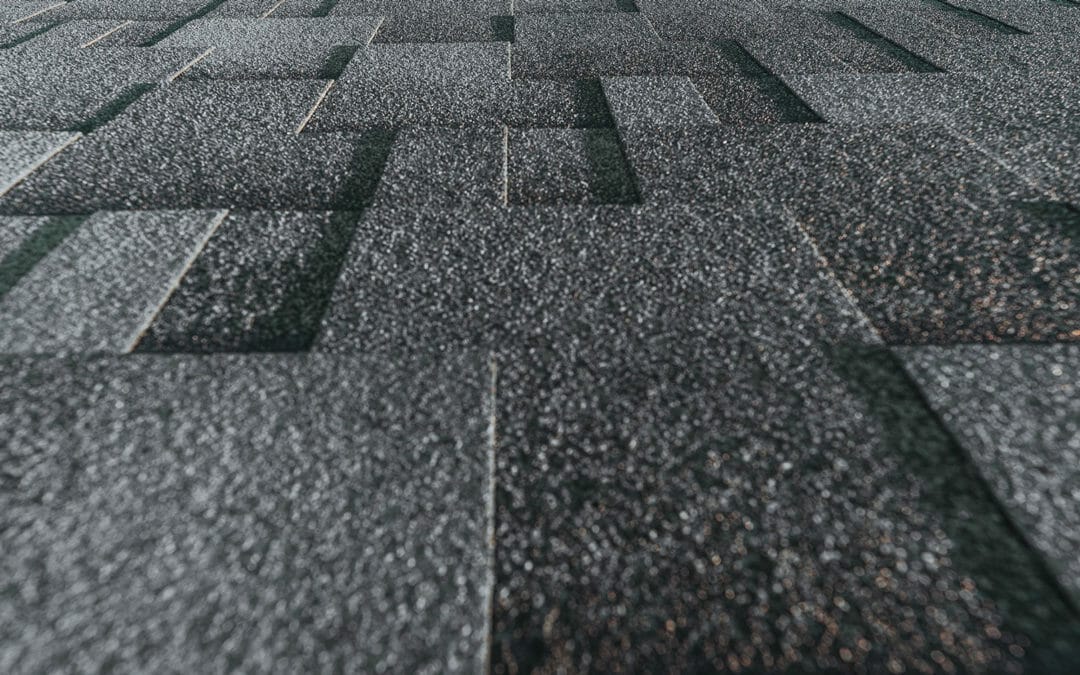
Most asphalt shingles are constructed with a fiberglass base coated in asphalt and protective granules. Different asphalt shingle roofers offer products with varying weights, profiles, wind ratings, and price points.
The Three Types of Asphalt Shingles
- 3-Tab Shingles: Lightweight, flat, and usually the least expensive option. But that lighter construction gives them less muscle against Florida’s high winds.
- Architectural Shingles: When homeowners compare architectural shingles vs. 3-tab shingles, the architectural option typically comes with a higher upfront price tag but offers better durability and wind performance.
- Luxury Shingles: Thicker and heavier, with designs that can mimic slate or wood shake. The upscale appearance and stronger construction are the big draws, with a higher price tag being the tradeoff.
How Asphalt Shingles Are Made
Peel back the surface, and most modern fiberglass asphalt shingles follow the same basic recipe: a fiberglass mat for structure, asphalt for water resistance, and ceramic-coated granules across the top.
The amount of asphalt, shingle thickness, granule technology, and overall construction can vary from one product line to another. Two shingles that look pretty similar from the driveway may age very differently after years under the Florida sun.
Pros of Asphalt Shingles for Florida Homeowners
When you look at asphalt shingles’ pros and cons, a lot of the appeal comes down to practicality. They offer style flexibility without the bigger upfront investment of other roofing materials.
- Lower Upfront Cost Than Alternatives: Asphalt shingles generally cost less upfront than options like standing seam metal. That makes them an approachable choice when you’re replacing a roof on a tighter budget.
- Wide Color and Style Availability: From coastal grays to warmer earth tones, popular asphalt shingle colors in Florida give you plenty of ways to match your home’s aesthetic.
- Ease of Repair and Contractor Availability: Damage to a repairable area can often be addressed without replacing the entire roof. Asphalt is also widely used across Florida, so it’s easy to find experienced roofers.
Cons of Asphalt Shingles in Florida’s Climate
Here’s where asphalt can struggle:
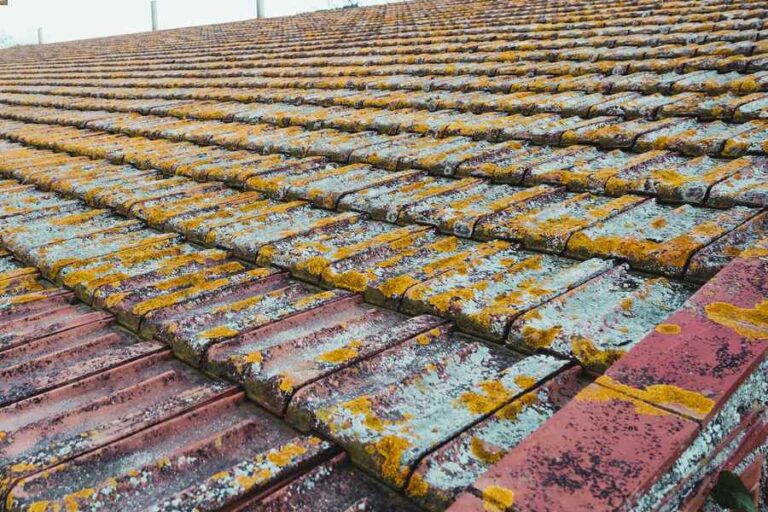
- Shorter Lifespan in Florida’s Heat and Humidity: Florida sunshine ages asphalt faster and creates ideal conditions for algae growth.
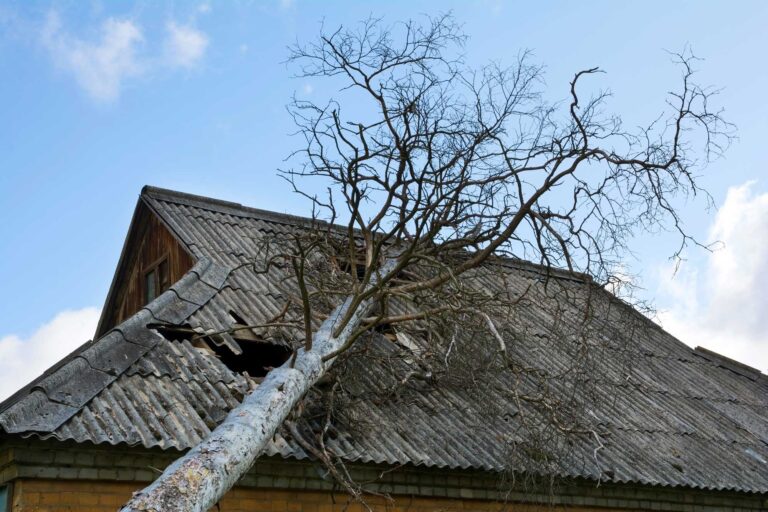
- Vulnerability to Hurricane-Force Winds: Basic 3-tab shingles generally don’t handle high winds as well as heavier architectural and luxury options, and even quality shingles depend on proper fastening.
How Long Do Asphalt Shingles Last in Florida?
| Shingle Type | Typical Manufacturer Warranty | Typical Lifespan in Florida* |
|---|---|---|
| 3-Tab | Around 25 years | 10–15 years |
| Architectural | 30–50 years | 15–20 years |
| Luxury/Designer | Up to lifetime limited warranties | 20–30 years |
*These are general ranges. Two roofs installed in the same year can age very differently depending on the product, ventilation, installation quality, sun exposure, and storm damage.
What Shortens Asphalt Shingle Lifespan in Florida
Florida shingles spend years dealing with strong sun, heat, humidity, and stormy weather. UV exposure and temperature changes gradually wear down the asphalt, while strong winds can loosen shingle edges and seals. Humidity also encourages the dark algae streaks commonly seen on roofs around the state.
How to Extend the Life of Your Asphalt Shingle Roof
You can’t control the Florida weather, but a few smart choices can give your shingles a better shot at a long life:
- Choose architectural or luxury shingles over basic 3-tab options when durability matters.
- Consider algae-resistant shingles for Florida’s warm, humid climate.
- Make sure your attic has proper ventilation to manage excess heat and moisture.
- Schedule a professional roof inspection after storm season to check for lifted, missing, or damaged shingles.
- Keep gutters clear so rainwater drains freely away from the roof.
Asphalt Shingles vs. Metal Roofing in Florida
If asphalt is on your shortlist, you’ve likely considered metal roofing too. Here’s how the two compare for Florida homeowners.
| Comparison | Asphalt Shingles | Metal Roofing |
|---|---|---|
| Upfront Cost | Lower | Higher |
| Expected Lifespan | Shorter | Longer |
| Wind Performance | Varies by shingle and installation | Generally stronger |
| Repairs | Individual shingles can often be replaced | May require specialized repair |
| Style | Wide range of colors and profiles | Multiple panel styles and finishes |
Cost
Shingle roofs generally cost less upfront than standing seam metal, making it easier on the roofing budget. Metal requires a bigger investment, but its longer lifespan can make the price easier to justify if you plan to stay in your home long term.
Hurricane Performance
Metal roofing generally offers stronger wind performance, but material alone doesn’t decide how a roof handles a storm. A properly installed architectural shingle can still be a practical choice for Florida homes when the product is rated for its climate.
Whichever material you choose, installation matters. Fastening, roof design, product approvals, and the complete roofing system all matter once the wind starts moving.
Asphalt Shingles Pros and Cons – Make the Right Choice
When you weigh asphalt shingles’ pros and cons, it’s easy to see why they’re still a Florida favorite. They’re affordable and versatile. But the right shingle matters when your roof has years of Florida weather ahead of it.
If asphalt is on your shortlist, you don’t have to sort through every product and rating on your own. Elo Roofing will take a look at your home, talk through your roof and budget, and help you choose the best shingles for your goals.
FAQs
How long do asphalt shingles last in Florida?
Architectural asphalt shingles typically last around 15–20 years in Florida, while 3-tab shingles may last closer to 10–15 years. The actual lifespan depends on shingle quality, installation, ventilation, and the weather your roof endures over the years.
Are asphalt shingles good for Florida’s hurricane season?
They can be. Architectural shingles designed for higher wind resistance are generally a better fit than basic 3-tab shingles. Proper installation plays a major role in how the finished roof performs.
What are the pros and cons of painting asphalt shingles?
Asphalt shingles aren’t necessarily designed to be painted. Before coating them, check the shingle manufacturer’s requirements to avoid performance or warranty issues.
Are asphalt shingles or metal roofing better for Florida homes?
It depends. Asphalt usually wins on upfront affordability, while metal offers a longer expected lifespan and strong wind performance. Your budget and how long you expect to own the home can help tip the decision.
What type of asphalt shingles are best for Florida?
Architectural shingles are a popular place to start because their heavier construction generally offers better durability and wind performance than basic 3-tab shingles. In Florida, it’s also worth looking at wind ratings, product approvals, and algae resistance rather than basing the decision on appearance alone.